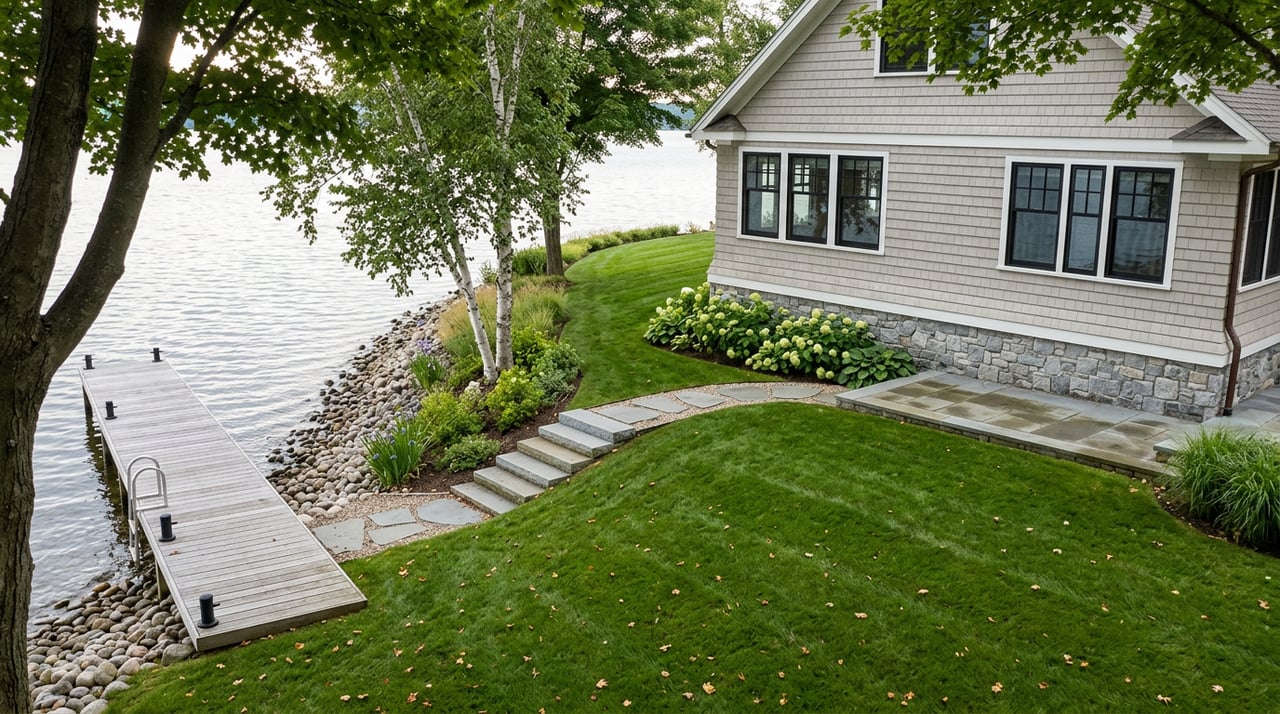
Is the dream of waking up to Keuka Lake worth the premium, or could an off-lake home with access give you the same lifestyle for less? If you are weighing those options in Yates County, you are not alone. The decision touches more than price. It affects your daily routine, maintenance, permits, insurance, and long-term value. In this guide, you will learn how true lakefront compares with off-lake options, what to check in your deed, which costs to plan for, and how to choose the fit that matches your goals. Let’s dive in.
Yates County market snapshot
Yates County is a mixed market with both inland and lake-adjacent inventory. Data providers often report different figures. For example, Zillow recently placed the county’s typical home value near the low to mid six figures as of early 2026, while lakeside subareas such as Keuka Park tend to run higher. That gap reflects the scarcity and amenity value of proximity to the lake.
Academic evidence backs that up. A national study found that homes nearest lakes see the largest price impact, especially within about 100 meters of the shore, and that better water clarity correlates with higher values. In other words, true waterfront often carries a meaningful premium over off-lake homes, and water quality matters to long-term value. You can review the findings in this peer-reviewed analysis of lake proximity and pricing effects here.
What does that mean for your budget? Expect true lakefront to cost substantially more than nearby off-lake homes. The exact premium varies by frontage, improvements, location along Keuka, and current inventory. If you want private shoreline and a dock steps from your door, be ready for a higher price point. If you are open to deeded or shared access, you may capture most of the lake lifestyle for less.
What lake access really means
Not all “lake access” is the same. Understanding the type of access is key before you write an offer.
True lakefront
You own to the ordinary high-water mark and benefit from riparian or littoral rights, which generally include reasonable access to the water and potential for a dock, subject to state law and the public trust. What is “reasonable” depends on site conditions and regulations. For a helpful legal overview of riparian rights and common disputes, see this summary from a New York law firm on riparian rights.
Deeded access or easement
A recorded easement may allow you to cross another parcel to reach the water or use a shared shoreline or dock. The details matter. Some easements simply permit foot access, with no mooring rights. Others are appurtenant to your lot and transfer at closing. Always read the recorded instrument and have your title company or counsel confirm transferability, limits, and maintenance obligations.
Association or shared access
Some neighborhoods provide shared beaches or docks managed by an association. Rules can include slip assignment procedures, guest policies, hours, and cost sharing. Ask for the recorded covenants, budgets, and any recent or pending special assessments.
Public launches and parks
You can enjoy Keuka without owning shoreline by using public launches. Yates County has multiple public access points, including at Keuka Lake State Park and within the county’s network of managed launches. You can view official listings of access points on the DEC’s Yates County launch page. Public options are convenient for day use, though they do not provide private mooring.
Costs, permits, and upkeep to plan for
Waterfront living is amazing, yet there are added responsibilities. Budget time and dollars for maintenance, permitting, and seasonal care.
Docks and shoreline permits
Shoreline work often triggers permits. In New York, the Department of Environmental Conservation regulates many activities, including shoreline stabilization, docks, and dredging. Small, removable docks may be treated differently from large, fixed structures, but you still need to check. Start with the state program overview on the DEC’s coastal and shoreline permit page.
In some cases, the U.S. Army Corps of Engineers also has jurisdiction, with regional general permits that can apply to docks and limited dredging. Confirm requirements early using the Buffalo District’s New York permitting resources here.
Typical cost ranges
While every site is unique, buyers often ask for ballpark figures:
- Private dock installation: about 4,000 to 26,000 dollars, with an average near 15,000 dollars depending on size and materials. See a national cost overview for docks here.
- Seawalls or shoreline stabilization: roughly 100 to 800 dollars per linear foot based on materials, access, and engineering. Review typical ranges here.
- Septic pumping and inspection: pump-outs commonly cost 250 to 700 dollars, with repairs or replacements running higher. Learn more about routine costs here.
These figures do not include engineering, permit fees, or contingencies. Local contractor quotes will reflect water depth, wave exposure, access, and substrate.
Septic, sewer, and transfer rules
Within the Keuka watershed, towns and villages coordinate on wastewater protections. The Village of Penn Yan, for example, requires septic pumping and a regulatory inspection at property transfer for parcels in defined protection zones. You can read an example of the village code here. The Keuka Watershed Improvement Cooperative also coordinates inspections and standards across participating municipalities, so it is smart to confirm whether your parcel is on municipal sewer or subject to local transfer requirements.
Flood risk and insurance
Some shoreline parcels sit within FEMA Special Flood Hazard Areas. Check the parcel on the FEMA Flood Map Service Center to understand flood zone, base flood elevation, and whether an elevation certificate is available. Under Risk Rating 2.0, National Flood Insurance Program pricing is more property-specific, so request current quotes rather than assuming older rates. Start your research on FEMA’s map center.
Environmental factors on Keuka
Keuka has recorded harmful algal blooms in recent years and hosts several invasive species, including zebra and quagga mussels, Eurasian watermilfoil, and starry stonewort. These can affect recreation, shoreline management, and costs over time. Regional agencies track these conditions and publish updates. A good place to learn about the lake’s current water-quality and stewardship efforts is the Seneca–Keuka watershed plan overview, available here.
Lifestyle tradeoffs to consider
Privacy and convenience
- True lakefront: Instant water access and private shoreline feel. You set your own schedule for swimming, paddling, and boating. You also handle your own dock and shoreline care.
- Off-lake with deeded or shared access: Strong value and community amenities with rules that govern slips, guests, and hours. You may need to plan around shared schedules.
- Public access: Easy day use from Keuka Lake State Park or county launches. Ideal for budget and low maintenance. Not private and may be busier at peak times.
Year-round realities
Winter is part of life here. On-lake owners plan for dock removal, boat lift winterization, and safe access on sloped drives. Off-lake homes can be simpler to manage through snow and freeze events, especially if they sit at a higher elevation or on municipal plow routes. There is no single rule. Lot topography and road access matter.
Resale and long-term value
Scarcity and demand for the lake lifestyle support waterfront resale value, but trends in water clarity and local regulation can influence buyer perceptions over time. The pricing study cited above shows water quality improvements tend to raise nearby property values, which is why local stewardship is good for both the lake and your investment.
Buyer checklist for Yates County lake access
Use this list when you evaluate a lakefront or off-lake property around Keuka.
- Deed and easements: Get all recorded documents that define access. Confirm whether the easement is appurtenant to your lot and that it transfers at closing.
- Survey and title: Verify exact boundaries, shoreline limits, and any public rights-of-way.
- Association rules: If access is shared, request covenants, slip assignment policies, budgets, and reserve studies. Ask about pending assessments.
- Dock and shoreline permits: Gather past permits or approvals for docks, seawalls, and fill. Confirm next steps with the state DEC permit program and the Army Corps Buffalo District.
- Public access options: If you plan to trailer in, review official access points on the DEC’s Yates County launch page.
- Flood zone: Check the parcel on the FEMA Flood Map Service Center and request insurance quotes early.
- Septic and sewer: Ask for pump and inspection records and confirm any transfer requirements. See the Penn Yan code example here.
- Environmental history: Review recent HAB or invasive species updates using regional watershed resources. Plan for routine boat cleaning and shoreline buffer care.
- Utilities and winter access: Verify water, sewer, road maintenance, snow plow coverage, and off-site parking rules for shared access points.
- Insurance and lender items: Ask whether the lender or insurer will require an elevation certificate, updated survey, or special waterfront endorsements.
Which option fits you
- Choose true lakefront if you want private shoreline, frequent boating, and the convenience of stepping onto your dock whenever you like. Budget more upfront and expect ongoing maintenance.
- Choose off-lake with deeded or shared access if you want strong value with lower maintenance, are comfortable with association rules, and plan frequent but not daily boating.
- Choose off-lake without deeded access if you prefer a larger home or acreage at a lower price point and are happy using public launches for day trips.
If you are still torn, tour a mix of properties in Penn Yan, Branchport, and Keuka Park. Stand on the shore, test the drive times, and review each deed. Little details, like where you can park guests or how you store your dock in winter, often make the choice clear.
Ready to compare live listings and see what fits your budget? Reach out to Vicki Schamel for local guidance, a tailored property search, and a smooth path from offer to closing.
FAQs
What is the price premium for true Keuka lakefront versus off-lake homes?
- It varies by frontage, location, and inventory, but research shows the largest price impact within about 100 meters of the shore, with water quality also influencing value. See the peer-reviewed study here.
What permits do I need for a dock or seawall on Keuka Lake?
- Check the New York DEC for shoreline and dock regulations and the Army Corps Buffalo District for federal jurisdiction; some small, removable docks have different rules but you must confirm before building.
How much should I budget for a private dock and shoreline work?
- Dock installs often range from about 4,000 to 26,000 dollars, while seawalls vary widely from roughly 100 to 800 dollars per linear foot depending on materials and site conditions.
Are there septic inspection rules when buying near Keuka Lake?
- Yes, watershed municipalities coordinate on wastewater protections, and Penn Yan requires pumping and inspection at transfer in certain zones; confirm your parcel’s status and gather records early.
Will I need flood insurance on a lakefront home in Yates County?
- It depends on the parcel’s FEMA flood zone and elevation; check the FEMA Flood Map Service Center and get quotes under Risk Rating 2.0 to understand potential costs.