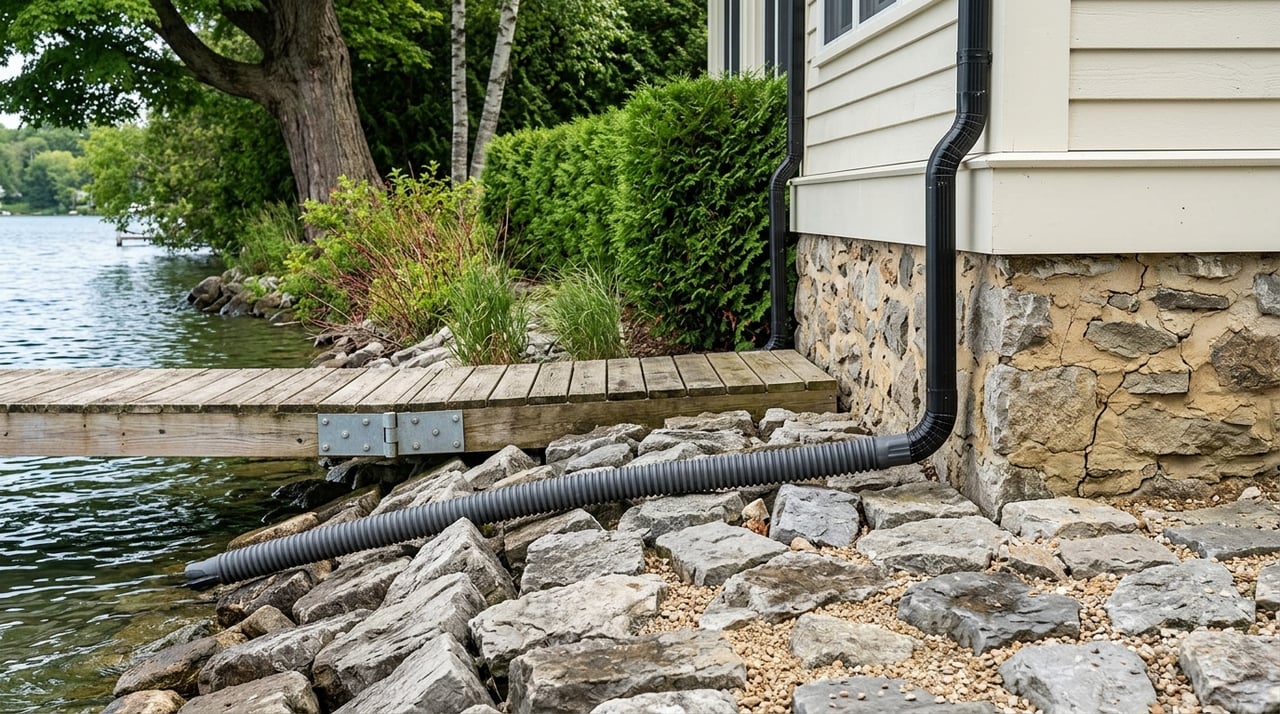
Buying or selling a lakefront home in Schuyler County can feel exciting right up until the inspection report lands in your inbox. Waterfront properties along Seneca Lake and near Cayuta, Waneta, and Lamoka lakes often come with a different set of concerns than inland homes, because the big question is not just how the house looks, but how the property manages water over time. If you know what inspectors and buyers tend to focus on, you can prepare better, ask smarter questions, and avoid surprises during the transaction. Let’s dive in.
Why Lakefront Inspections Are Different
In Schuyler County, lakefront inspections often go beyond the house itself. The county notes that its navigation division patrols Seneca Lake, Cayuta Lake, Waneta Lake, and Lamoka Lake, which reflects how active and varied the local waterfront environment is.
For many lakefront properties, the inspection conversation centers on water movement and compliance. That can include shoreline stability, wastewater systems, dock condition, drainage, and moisture in lower levels. As the EPA explains for septic property transfers, some findings lead to records review, maintenance questions, or repair estimates rather than a simple pass-or-fail answer.
Shoreline Erosion and Bank Stability
One of the most common lakefront inspection issues in Schuyler County is erosion. On a waterfront lot, inspectors and buyers may notice undercut banks, exposed roots, thinning vegetation, leaning retaining walls, or older stabilization systems that are no longer performing well.
According to the New York State Department of Environmental Conservation, shoreline erosion can be driven by wind, frost action, gravity, precipitation, wave action, and ice action. Development and stormwater runoff can also make conditions worse, which is why drainage and slope management matter so much around the lake.
Natural shoreline solutions are often preferred when possible. DEC notes that softer approaches like native vegetation, brush mats, and live stakes can help protect water quality and habitat while improving shoreline stability.
For you as a buyer, this usually means asking whether the shoreline is stable today and whether future work may be needed. For you as a seller, it helps to have documentation ready for any past stabilization work, including permits, invoices, and before-and-after photos.
When Shoreline Work May Need Permits
Visible erosion does not always mean a quick fix. In many cases, shoreline work may require design decisions and permits before repairs can move forward.
Under the current NYSDEC Lakes and Shorelines General Permit, certain projects may qualify for permit coverage, including some bioengineering methods, new riprap of 150 linear feet or less where erosion is evident, and in-kind repair or replacement of existing functional docks and boathouses within the same footprint. Larger or more complex work may require separate permitting.
Schuyler County also notes that some lakefront or streamside construction with direct hydrologic connectivity may need stormwater permit coverage even when disturbed area is under one acre, as referenced on the county’s Navigation page. That is one reason paperwork can matter just as much as the visible condition of the shoreline.
Septic Systems Near the Water
Septic systems are often one of the biggest inspection concerns at lakefront homes. Shoreline lots can have thin or rocky soils, clay soils, or high water tables, and those conditions can make traditional systems less effective.
Cornell’s guidance for shoreline properties explains that challenging soils and high water tables can cause drainfields to become saturated during high-water periods. That raises the risk that partially treated wastewater could reach a nearby lake or stream. The same guidance notes that as shorelines erode, the distance between a septic system and the water can shrink over time.
During a septic inspection, the focus is usually broader than many buyers expect. The EPA’s homebuyer septic guide says inspectors typically review:
- System age
- Pumping and maintenance records
- Sludge and scum levels
- Signs of leakage or backup
- Tank and piping condition
- Drainfield performance
- Distribution box condition
EPA also notes that a septic system may last about 15 to 40 years with proper maintenance. That means age, service history, and current function all matter during negotiations.
Schuyler County Transfer Inspections
In Schuyler County, septic review can directly affect a closing timeline. The county’s Watershed Protection Agency states in its current onsite wastewater policy that it provides real-property-transfer and refinancing inspections for onsite wastewater systems, and that nearly all property transfers will require an inspection when requested or required by a buyer, seller, realtor, attorney, or lender.
The inspection can lead to either a Certificate of Compliance or a Compliance Agreement if the system is not fully compliant. In real terms, that can mean anything from a routine pumping appointment to a repair plan, engineering review, or closing delay if lender conditions must be met first.
Docks, Boathouses, and Water Access Structures
A dock may look simple from the shoreline, but water-access structures often bring both physical and regulatory questions. If a dock is aging, loose, weathered, or settling, the condition itself is only part of the issue.
The other question is whether the current structure is legal and maintainable in its present form. Under the NYSDEC general permit for lakes and shorelines, certain in-kind repairs and replacements of existing functional docks, boathouses, and ramps may be allowed within the same structural footprint. Some new residential docks on open supports up to 400 square feet may also qualify where no dredging is needed for navigation.
If a structure was enlarged, relocated, or modified without the right authorization, that can create a compliance issue. Dredging, excavation, fill placement, and larger support systems are especially permit-sensitive.
What Buyers and Sellers Should Gather
If you are buying, ask whether the dock or boathouse is not only usable now, but also whether it can legally remain as-is after closing. If you are selling, it helps to have a paper trail ready.
Useful records may include:
- Prior permits
- Contractor invoices
- Photos of past work
- Repair records
- Correspondence related to dock, ramp, or shoreline improvements
That documentation can help reduce uncertainty during inspection and negotiation.
Basement Moisture and Foundation Concerns
Older lakefront homes often show some level of moisture in basements or crawlspaces. You may see staining, seepage, damp masonry, musty odors, mildew, or cracking that raises follow-up questions.
According to NYSERDA’s residential guidance, foundation water management depends on solid drainage practices like downspout extensions, footing drains, and, in water-prone locations, interior drains or sump pumps. NYSERDA also notes that masonry is porous and that damp basements are common, especially where drainage is poor.
New York’s flood safety guidance adds that homeowners should maintain runoff and drainage, improve grading, seal foundation cracks, and use sump pumps where needed to help protect against seepage and flooding. Humidity, cold surfaces, and poor ventilation can also contribute to interior moisture issues.
What Moisture Findings Usually Mean
Not every damp basement points to a major structural problem. In many cases, the issue falls into one of three buckets:
- A drainage correction
- A moisture-control improvement
- A structural review if movement or cracking appears more than cosmetic
For buyers, this affects repair budgeting, comfort, and long-term confidence in the property. For sellers, it often shapes the decision to repair in advance, disclose the condition clearly, or price with the issue in mind.
What Inspection Findings Mean for Buyers
Lakefront inspection findings usually connect to future planning, not just present condition. Erosion can point to stabilization work. Septic concerns can point to pumping, compliance steps, or replacement. Dock issues can trigger permit review. Basement moisture can lead to drainage improvements or further evaluation.
That is why lakefront purchases often require a little more due diligence. DEC’s shoreline stabilization techniques guidance supports the idea that shoreline repairs are often technical, site-specific, and tied to long-term management rather than quick cosmetic fixes.
If you are buying, build in time for:
- Reviewing permits and records
- Getting specialist estimates when needed
- Confirming county or state compliance questions
- Understanding maintenance costs after closing
What Inspection Findings Mean for Sellers
For sellers, the best strategy is preparation. A lakefront home does not need to be perfect, but it does need a clear story.
If you have records for septic pumping, shoreline work, dock repairs, drainage improvements, or foundation moisture control, gather them before your home goes live. In Schuyler County, early coordination with the Watershed Protection Agency policy and inspection process can also help you avoid delays later in the transaction.
When buyers understand what was done, when it was done, and whether it was done properly, they are often in a better position to move forward with confidence.
A Smart Way to Approach Lakefront Inspections
The most helpful way to think about a lakefront inspection is this: it is not just a list of defects. It is a planning tool for understanding the property’s current condition, maintenance history, and future responsibilities.
On Schuyler County waterfront properties, the bigger problem is often not the issue itself. It is the surprise. When you know what tends to come up and have the right records or guidance in place, you can make stronger decisions and keep your transaction moving.
If you are thinking about buying or selling a lakefront property in Schuyler County, working with a local advisor who understands waterfront questions can make the process much clearer. Vicki Schamel can help you navigate the details, prepare for inspection issues, and move forward with confidence.
FAQs
What are the most common lakefront inspection issues in Schuyler County?
- Common concerns include shoreline erosion, septic system condition, dock or boathouse permit status, basement moisture, drainage problems, and foundation-related water intrusion.
Do septic systems in Schuyler County usually need transfer inspections?
- Schuyler County’s Watershed Protection Agency says nearly all property transfers will require an onsite wastewater inspection when requested or required by a buyer, seller, realtor, attorney, or lender.
Can an older dock on a Schuyler County lakefront property be repaired?
- In some cases, yes. NYSDEC allows certain in-kind repairs or replacements within the same footprint under its general permit, but expanded or altered structures may raise additional permit questions.
Does shoreline erosion always mean a lakefront home is a bad purchase?
- Not necessarily. Erosion may be manageable, but it can require permits, design work, and future stabilization costs, so the key is understanding the severity, documentation, and likely next steps.
Are damp basements common in older lakefront homes around Schuyler County?
- Yes. NYSERDA notes that masonry is porous and damp basements are common, especially where drainage is poor, which is why water management and ventilation matter so much on waterfront properties.