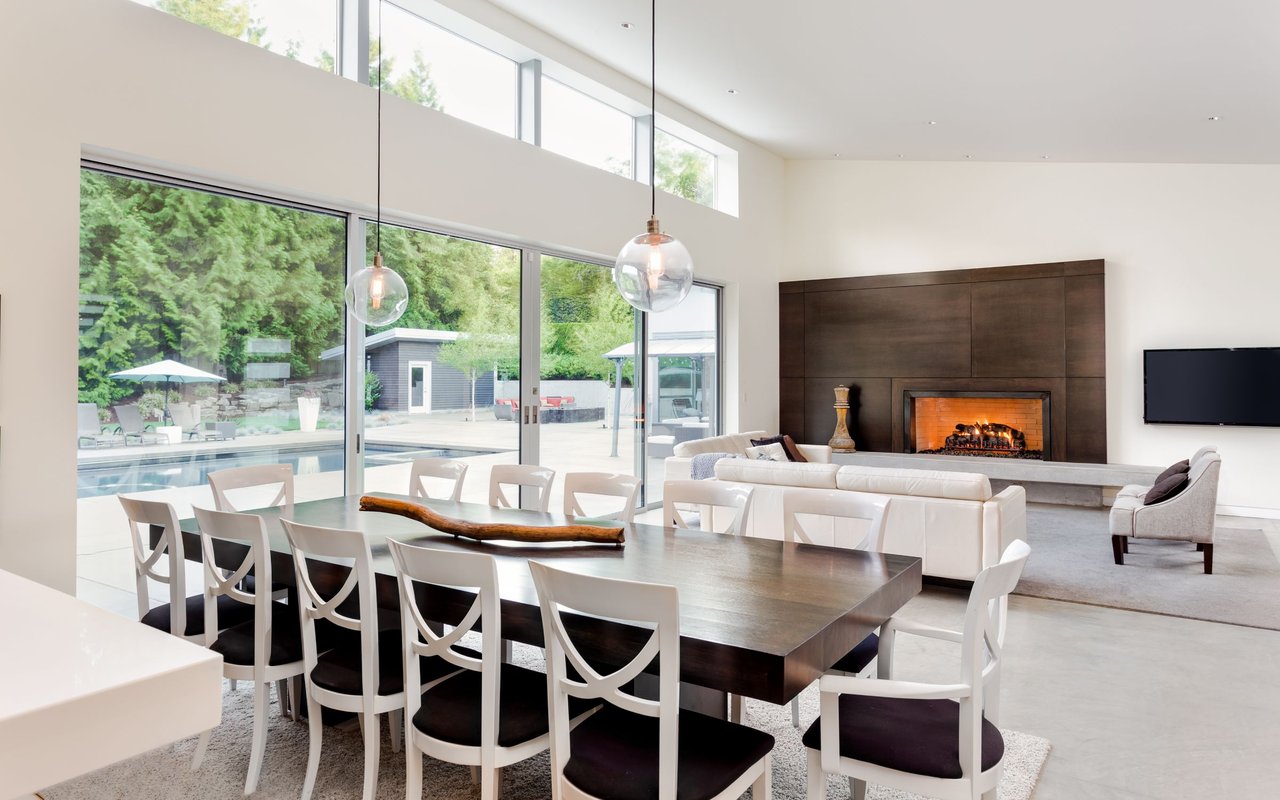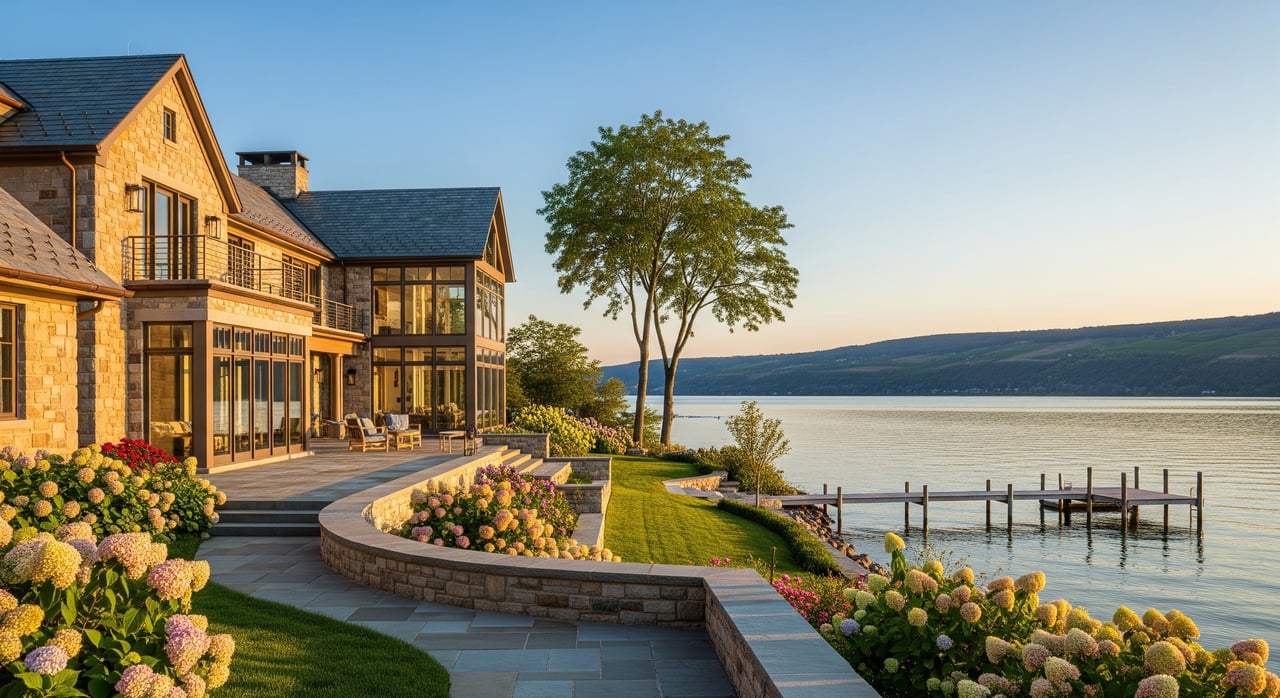
Thinking about listing your Schuyler County home in the next 90 days? Pricing here is not one-size-fits-all. Rural roads, septic systems, lake access, and seasonal buyer traffic all shape value and timing. In this guide, you’ll learn a clear, local pricing strategy that blends data with on-the-ground insight so you can launch with confidence and capture the strongest offers. Let’s dive in.
Why Schuyler County pricing is different
Schuyler County is a smaller, rural market where every comparable sale carries more weight. Inventory can shift quickly, and a single standout listing can change the competitive landscape in your price range.
Tourism and lifestyle play a real role. Proximity to Watkins Glen State Park, Watkins Glen International, Seneca Lake, and the wine trails can boost interest in lakefront, vacation, or second-home properties. This affects pricing, marketing, and timing decisions.
Property types are diverse: village homes with broader buyer pools, lakefront cottages, larger acreage and farmland, and seasonal or second homes. Each draws different buyers and financing types. Many rural homes rely on septic and private wells, and factors like road maintenance, driveway condition, and floodplain considerations can impact financing and buyer confidence.
A step-by-step local pricing strategy
Start with an on-site AVM baseline
Begin with an automated valuation model to get a quick reference number. Treat it as a starting point only. AVMs are less reliable for rural, unique, or lakefront properties, where features like water frontage, slope, or private docks can dramatically change value.
Build an evidence-based CMA
Review active, pending, and closed comparables from roughly the last 3 to 12 months. In low-volume micro-markets, extend the window to 12 to 18 months and adjust for market trends. Prioritize similar property type first, then condition, acreage, water access, and key upgrades. Document adjustments for items like finished basements, garages, roof age, windows, and HVAC.
Read market indicators
Look at absorption rate, months of inventory, median days on market, and list-to-sale price ratio for both county-level and micro-area trends. These numbers guide negotiation expectations, pricing band selection, and your likely time to offer.
Walk the property and plan pre-listing fixes
A thorough walkthrough identifies condition items and selling points. Focus on roof, HVAC, septic, windows, curb appeal, and any unique features. Recommend fixes by return on investment, not by cost alone. Strong photos and presentation can shift you toward higher pricing within your chosen band.
Choose your pricing band
- Penetration or Acceleration: Typically price 5 to 10 percent below market estimate to drive fast traffic and potential multiple offers. Best when you value speed and there is healthy buyer demand.
- Market or Balance: Typically within plus or minus 3 percent of market value to position fairly and maximize exposure. This is the go-to for most sellers who want predictable outcomes.
- Aspirational or Test: Typically 5 to 15 percent above market estimate to test premium positioning or unique features. Expect longer market time and be ready to adjust if activity is soft.
Use psychological pricing around buyer search filters. For example, pricing at 299,900 reaches buyers filtering up to 300,000, while 300,000 can capture those filtering from 300,000 and above. Select thresholds intentionally to widen your audience.
When comps are scarce
If inventory is thin, widen your radius slightly but prioritize like-kind amenities, especially for lakefront. Extend the time window and apply trend adjustments for price movement. Weigh active and pending listings to understand current buyer thresholds. Exclude outliers, such as very small cottages or large estates that do not match your property.
Time your launch for the Finger Lakes
Buyer activity often rises from spring through early fall. Local events, such as race weekends and winery festivals, can increase out-of-area traffic and short-term rental interest. Launching before peak season or ahead of major events can improve exposure. Listing in winter can still work, but plan for a smaller buyer pool and longer time on market.
Staging that supports your price
High-ROI preparation checklist
- Safety and mechanical basics: confirm functioning HVAC, water heater, and smoke or CO detectors. Have service records available.
- Curb appeal: tidy landscaping, trim trees to open views, repair walkways, and refresh paint where needed.
- Clean and declutter: remove personal items and extra furniture to increase perceived space and light.
- Neutralize interiors: light colors help smaller rooms feel larger; highlight natural light.
- Showcase the Finger Lakes lifestyle: stage porches and outdoor seating; set an inviting dining or reading nook.
- Lakefront specifics: clear sightlines to the water, stage a dock or seating area, and document water access and rights.
Photography and media that sell
Use high-resolution photography and floor plans for every listing. Drone imagery is highly effective for waterfront and acreage; hire a licensed operator who follows FAA rules. Offer virtual tours or 3D scans to reach out-of-area buyers, and prepare a simple neighborhood or attractions sheet to highlight parks, wineries, marinas, and event venues.
Small repairs with outsized impact
Septic inspection and documentation are often critical for buyer and lender confidence. Address visible roof and gutter issues. Refresh kitchens and baths with targeted cosmetic updates like hardware, lighting, and paint. For rural driveways, make sure access and signage are clear and well maintained.
Keller Williams amplification in action
Your first 7 to 14 days carry the most exposure. Keller Williams tools can help you make the most of that window. Use Command-powered outreach to notify past clients and interested contacts, and syndicate your listing through the MLS for broad distribution. Leverage social ad templates to target likely buyer profiles, including second-home and investor audiences. Share digital brochures and neighborhood reports, and tap the KW agent network to extend reach beyond the local market.
First 14 days: your launch checklist
- Schedule professional photography and drone in advance; prepare virtual tour assets before going live.
- Complete disclosures and property questionnaires; confirm accurate MLS data, including lot size, water access, and septic or well status.
- Write copy that highlights objective selling points like acreage, views, upgrades, and proximity to attractions.
- Time open houses and broker tours to align with local calendars; avoid direct conflicts with major events unless you plan to leverage them.
- Set flexible showing windows, add clear directions for rural properties, and maintain strong security for vacant or staged homes.
What to bring to your pricing session
To build an accurate AVM and CMA and shape your launch plan, gather the following:
- Property address and parcel or lot number
- Year built, square footage, beds and baths, finished lower level
- Renovations with dates and approximate costs
- Lot details: lakefront, wooded, cleared, or farmland
- Utilities: septic or sewer; private well or municipal; any inspection reports
- Structures: garage, outbuildings, docks; note easements or deed restrictions
- Latest tax bill or assessed value
- Utility costs and energy upgrades, such as insulation or a heat pump
- Any rental history that shows income potential
What you can expect from the session
You’ll see an on-site AVM baseline with a quick explanation of its limits, followed by a walkthrough to capture details for the CMA and marketing assets. You’ll get recommended pricing bands with rationale, a prioritized list of repairs and staging steps, and a suggested launch window with a clear marketing plan.
Track, learn, and adjust
Monitor showing requests, online views, saves, and feedback closely in the first 7 to 14 days. Review new local sales and active listings weekly, and update absorption and days on market. If you have strong interest but no offers, consider a small, targeted adjustment of 1 to 3 percent if feedback points to price as the barrier. If interest is low, re-evaluate photos, staging, and marketing first, then consider a more substantial repositioning of 5 percent or more. Avoid a series of small drops and make data-driven moves instead.
Ready to price with confidence?
A smart pricing strategy in Schuyler County blends local comps, condition, staging, timing, and strong marketing in one coordinated plan. If you want a clear recommendation aligned with your goals and timeline, schedule a complimentary strategy session and get your tailored pricing bands, preparation checklist, and launch plan. Connect with Vicki Schamel to get started.
FAQs
How is Schuyler County pricing different from urban markets?
- Lower sales volume makes each comparable more important, and rural features like septic, wells, and access roads can materially affect value and financing options.
How are lakefront homes priced in Schuyler County?
- Adjust for frontage, water rights, dock access, and terrain; amenities and clear water access often justify premiums compared with non-lake properties.
Should I price below market to spark multiple offers?
- It can work in higher-demand segments, but it depends on your goals, condition, and inventory; review recent activity and feedback before choosing the penetration band.
What repairs matter most before listing a rural home?
- Focus on safety and confidence: septic documentation, roof and gutter condition, mechanical service records, driveway access, and simple cosmetic refreshes.
Can buyers use USDA loans here, and does that affect my sale?
- Many rural properties may be eligible; USDA and other loan guidelines can influence buyer qualification, so accurate property details help widen your buyer pool.
Is winter a bad time to list in Schuyler County?
- Winter can mean a smaller buyer pool and longer days on market; if timing is flexible, launching before peak spring or a major event can improve exposure.
How do you avoid repeated price drops after launch?
- Set a data-backed price at the start, monitor early activity and feedback, adjust photos or staging first if needed, and make measured, strategic price changes only when the data supports it.