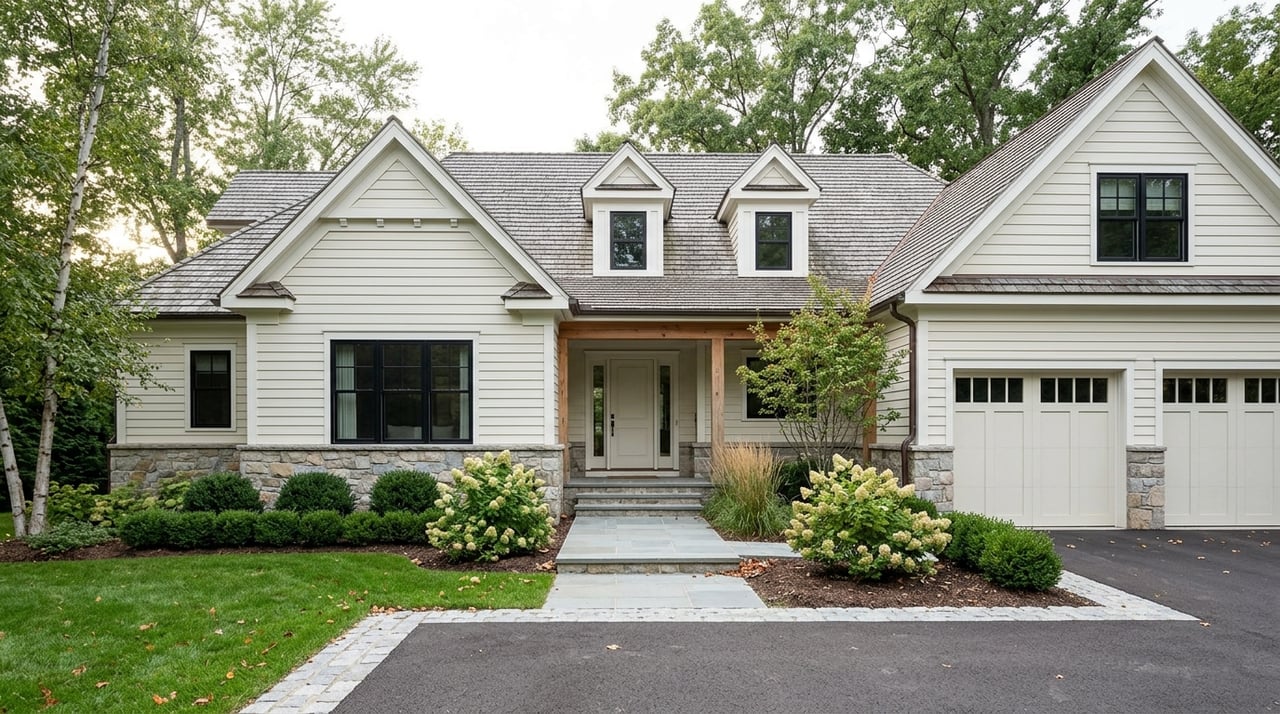
If you are getting ready to sell a lakefront home in Yates County, you are not just listing a house. You are presenting a full waterfront experience that buyers will study closely, from the view and shoreline access to the dock, water systems, and outdoor spaces. A little preparation can make your property easier to understand, easier to market, and more compelling when the busiest lake season arrives. Let’s dive in.
Why lakefront prep matters in Yates County
Yates County includes shoreline along Seneca, Canandaigua, and Keuka lakes, and the county describes the area as scenic, tourist-oriented, and shaped by steep hills, valleys, and rolling terrain. That setting affects how buyers view your property.
When someone tours a lakefront home here, they usually look beyond the interior finishes. They are also judging the water view, the path to the lake, the condition of the shoreline, and how simple it will be to enjoy the property from day one.
That is why lakefront sellers often need a more detailed pre-listing plan than sellers of non-waterfront homes. If you prepare early, you can answer questions with confidence and reduce surprises once buyers begin doing their homework.
Time your preparation before peak season
Housing activity tends to be seasonal, with spring and summer often bringing the strongest market activity. National housing data shows activity typically rises in March and peaks in June, which is useful context if you want your home to hit the market when more buyers are actively looking.
For a Yates County lakefront property, that timing matters even more because recreational appeal plays such a big role. Buyers want to picture the dock in use, the patio set for summer evenings, and the shoreline looking clean and accessible.
If possible, start preparing well before peak season. That gives you time to gather documents, handle repairs, and schedule photography when the lake view and outdoor areas are showing at their best.
Focus on the full waterfront presentation
Staging matters because it helps buyers picture the home as their own. In NAR's 2025 staging report, 83% of buyers' agents said staging helps buyers visualize a property as a future home, and the most commonly staged rooms included the living room, primary bedroom, and dining room.
For a lakefront home, your staging plan should go beyond the interior. Outdoor living space is part of the value story, so buyers will notice whether the exterior feels clean, usable, and connected to the water.
Stage the rooms buyers notice first
Start with the main living spaces that support the lake lifestyle. The living room, primary bedroom, and dining area should feel bright, open, and easy to enjoy.
Keep furniture placement simple and make sure windows help frame the water view instead of blocking it. If a room has too much clutter or oversized furniture, buyers may focus on the room's limitations instead of the lake setting.
Extend staging to the outdoors
Your deck, patio, porch, and waterfront path deserve just as much attention as the kitchen or living room. Clean surfaces, arrange outdoor furniture neatly, and remove items that make the space feel crowded.
It also helps to clear the path to the water, trim vegetation that blocks the main view, power-wash surfaces, and tidy the shoreline edge. Buyers are trying to picture how they would spend time outside, so the outdoor setup should feel easy and inviting.
Inspect shoreline features after storms
Yates County warns that heavier precipitation, floods, and stronger storms can damage infrastructure and affect water quality. On a lakefront property, that means you should not assume everything is still in good shape just because it looked fine last season.
Before listing, inspect railings, stairways, dock hardware, retaining walls, and drainage areas. Even minor wear can stand out to buyers who are already thinking about maintenance and safety.
If a recent storm caused erosion, runoff, or damage near the shore, address that issue early. A waterfront home shows best when the shoreline feels secure, maintained, and ready to use.
Gather dock and shoreline documents early
One of the biggest mistakes lakefront sellers make is waiting too long to organize paperwork. Buyers often want clear answers about what is permitted, what exists legally, and what they may or may not be able to change later.
In New York, projects in or near lakes and ponds can require permits. The statewide Lakes and Shorelines General Permit covers certain dock, ramp, and shoreline repair activities, including some in-kind dock repairs in the same footprint and some new residential docks up to 400 square feet without dredging. Larger or more intrusive work may not fit under that general permit.
The state may also have an interest in underwater lands. If a dock, pier, mooring, or fill is on state-owned underwater land, a lease, easement, permit, or other interest may be required.
What buyers may ask about the dock
Lakefront buyers are often practical. They want to know not only whether a dock exists, but whether it is usable, documented, and likely to remain compliant.
Questions may include:
- Was the dock built or repaired with the proper approvals?
- Is there a current survey showing the shoreline and lot lines?
- Are there any mooring limits or local docking rules?
- Does water depth or seasonal lake level affect dock use?
- Are there shared access or neighbor use rights tied to the waterfront?
Keuka Lake questions can be especially specific
On Keuka Lake, lake level is actively managed through the Keuka Lake Outlet Compact, and lake level is a regular topic for lakeshore owners. That makes dock usability at different water levels a fair and common buyer question.
Local requirements can also be detailed. For example, the Town of Jerusalem dock permit application asks for shoreline footage, existing dock information, a project sketch, and a survey map showing lot lines and the high-water line. Town materials from 2024 also describe the Keuka Lake Uniform Docking and Mooring Law as regulating mooring within 1,500 feet of shore.
If your property is on or near Keuka Lake, it helps to gather this information before your listing goes live. Clear records can make buyer conversations much smoother.
Confirm access and road-related paperwork
Waterfront homes sometimes have unique access setups, especially on sloped lots or roads close to the shoreline. If driveway work, utility trenching, or another exterior project touched county road right-of-way, Yates County Highway says a highway work permit may be required.
Driveway installation or replacement also has its own permit process. That means access, parking, and roadside improvements are worth reviewing before buyers start asking detailed questions.
If you have records related to driveway work or road-adjacent improvements, keep them with your listing packet. It is much easier to present complete information up front than to scramble for it during negotiations.
Test wells and review septic early
Private wells are common in Yates County, and buyers know that water systems matter. The county says the New York State Department of Health recommends annual inspection and testing, with late spring or early summer considered the best time to test.
The department also recommends annual testing for bacteria and repeating other contaminant tests every 3 to 5 years. If you have not tested your well recently, handling that before listing can help you answer buyer concerns with current information.
Septic systems matter just as much. Yates County says the state has identified the county as a priority area for reducing sewage impacts on groundwater and surface water, which tells you how seriously these systems are viewed locally.
If you suspect a septic issue, address it early enough to get engineering input if needed. The county's septic replacement grant can cover up to 50% of eligible costs, up to a maximum reimbursement of $10,000, subject to county planning approval, licensed engineering, and local permits.
Be ready for water quality questions
Lakefront buyers often ask direct questions about swimming, shoreline conditions, and summer water use. In Yates County, those questions are reasonable because the county warns that harmful algal blooms can affect local waters in summer.
County materials also note that Keuka Lake beaches reported 32 closure days in 2022. That does not mean every property faces the same conditions, but it does mean buyers may ask whether there have been beach advisories, seasonal swimming issues, or maintenance concerns.
The best approach is simple: be accurate and transparent. If there have been seasonal water quality concerns, shoreline cleanup needs, or changes in swimming access, explain them honestly and stick to what you know.
Build a strong listing packet
A complete listing packet helps buyers feel informed and can reduce back-and-forth once interest picks up. For lakefront homes, good documentation can be just as important as great photos.
A useful packet may include:
- Deed
- Current survey
- Dock permits or repair records
- Shoreline stabilization approvals, if applicable
- Easement documents
- Shared access or neighbor use agreements, if any
- Well testing records
- Septic records
- Road or driveway permit records, if relevant
When this information is organized early, your listing feels more professional and buyer-ready. That matters in a waterfront sale, where due diligence is often more detailed.
Use a simple prep timeline
If you want the process to feel manageable, break it into stages. That makes it easier to prioritize the work that protects value and improves buyer confidence.
90 days or more before listing
Start by pulling your deed, survey, and waterfront-related records. Verify town-level shoreline rules, gather dock and water-system documents, and confirm whether any exterior work involved county road right-of-way.
This is also a good time to review whether prior shoreline projects went through local review. Yates County Planning processes municipal referrals, so waterfront work is often reviewed locally before it is finalized.
About 60 days before listing
Use this window to repair obvious exterior issues and inspect features that buyers will scrutinize. Look closely at the dock, stairs, railings, drainage, retaining areas, and shoreline condition.
You should also address septic or well concerns now, while there is still time to bring in licensed professionals if needed. Waiting too long can make a small issue feel urgent right before your listing date.
30 days before listing
Now shift to presentation and marketing prep. Stage the main interior rooms, improve the outdoor entertaining areas, and prepare the path to the lake so it shows cleanly.
This is also the time to make sure your marketing details are precise. Be clear about what conveys with the property, including the dock, shoreline access, and any shared or seasonal limitations.
Why local lakefront guidance helps
Selling a waterfront property in Yates County is rarely just about square footage and finishes. You are also marketing shoreline features, access, documentation, and the lifestyle tied to Seneca, Canandaigua, or Keuka Lake.
That is why local experience matters. With the right preparation, your home can enter the market looking polished, documented, and ready for serious buyers to understand its value.
If you are planning to list a lakefront home in Yates County and want practical guidance on pricing, staging, and waterfront-specific prep, connect with Vicki Schamel for a complimentary consultation.
FAQs
What should you do first before listing a lakefront home in Yates County?
- Start by gathering your deed, current survey, dock and shoreline records, well and septic information, and any permits related to access or road work.
What dock documents matter for a Yates County lakefront home sale?
- Buyers may want to see dock permits, repair records, survey details, shoreline footage information, and any documents tied to mooring, easements, or underwater land rights.
When should you test a private well before selling in Yates County?
- Yates County says the New York State Department of Health recommends annual inspection and testing, with late spring or early summer being the best time to test.
Why do buyers ask about septic systems on Yates County lakefront properties?
- Septic systems are an important local due-diligence item because of concerns about impacts on groundwater and surface water, especially near the lakes.
How should you stage a lakefront home in Yates County?
- Focus on the main living spaces first, then extend staging outdoors by cleaning patios and decks, clearing the path to the water, trimming view-blocking vegetation, and tidying the shoreline edge.
What water quality questions can come up for Yates County lakefront homes?
- Buyers may ask about swimming access, beach conditions, harmful algal bloom advisories, shoreline maintenance, and whether seasonal water issues have affected use of the property.